Living the culture of Bhubaneswar: traditions you experience, not just observe
Lifestyle
12
minute read
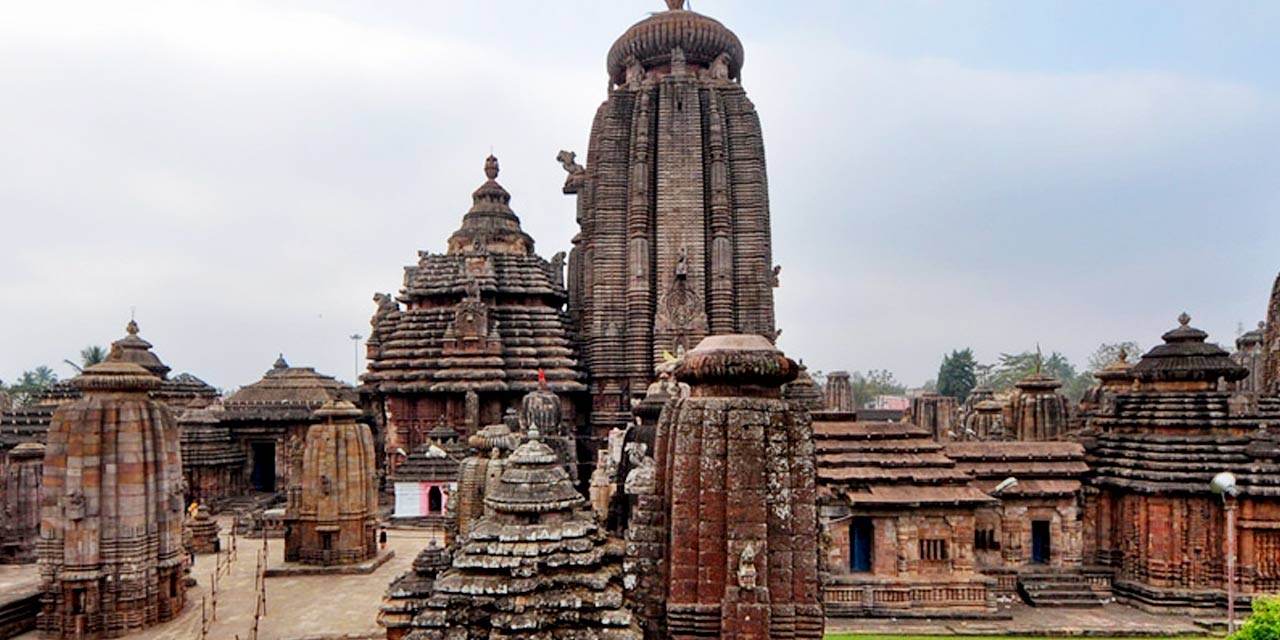
One of the most comforting things about Bhubaneswar is that culture here is not locked inside museums or festivals alone. It flows through daily routines, neighbourhood temples, local markets, music, food, and language. For newcomers, students, people starting their careers, or anyone building a new life in the city, these cultural aspects quietly help you feel grounded and connected.
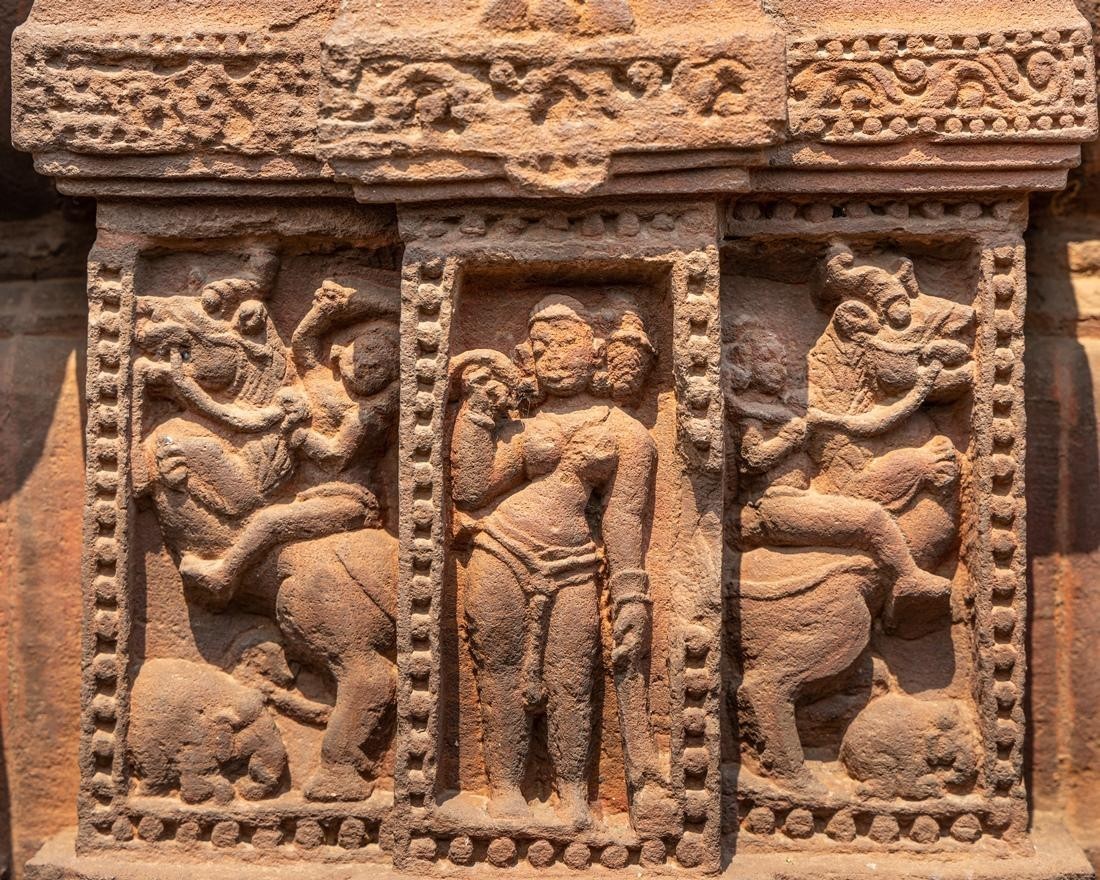
• Temple Architecture & Daily Worship
The old town area, with Lingaraj Temple, Mukteshwar Temple, and Rajarani Temple, reflects a living temple culture. daily aartis, offerings, bells, and incense are part of everyday life, not special occasions. Even a short walk here feels deeply rooted in history.
• Sacred Water Tanks & Ritual Bathing
places like Bindu Sagar are still used for ritual cleansing and prayer. These water bodies are not decorative — they remain spiritually active spaces.
• Community Temple Service (Seva)
local residents often volunteer for cleaning, food preparation, and ritual support. This shared responsibility keeps temple culture community-driven rather than formal.
Dance, music, and storytelling traditions
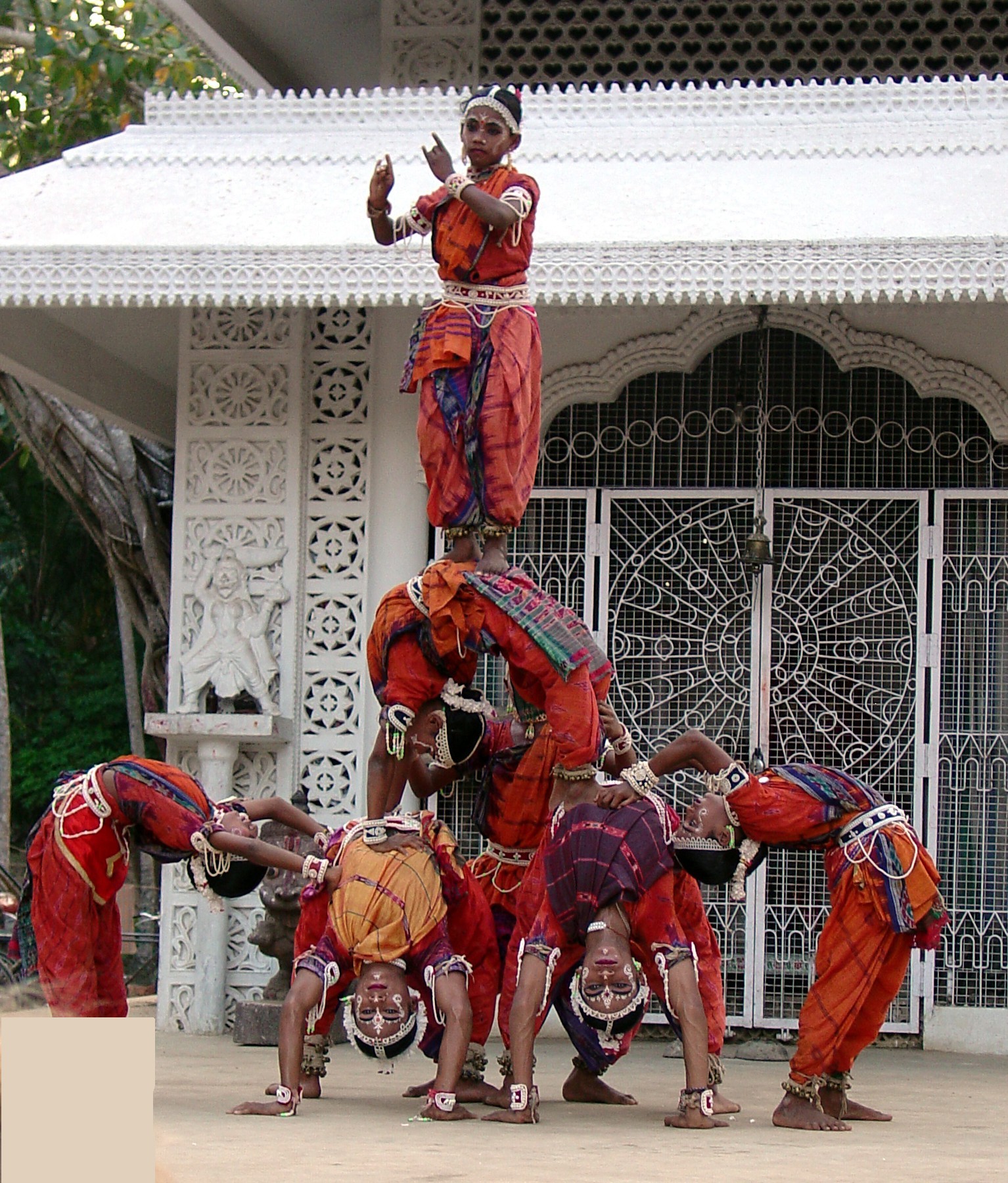
• Odissi Classical Dance
Odissi is one of India's classical dance forms and has deep roots in temple traditions. Performances and training happen across cultural centres and auditoriums in the city, making it accessible even to first-time viewers.
• Temple Ritual Music & Bhajans
Devotional singing is part of daily worship, not just festivals. bhajans and ritual music often spill into temple courtyards and cultural halls, creating a calm, reflective atmosphere.
• Spiritual Discourses & Katha Culture
Public storytelling, devotional talks, and bhajan gatherings regularly take place in temples and ashrams, offering quiet moments of reflection amid city life.
Crafts, art, and local creativity
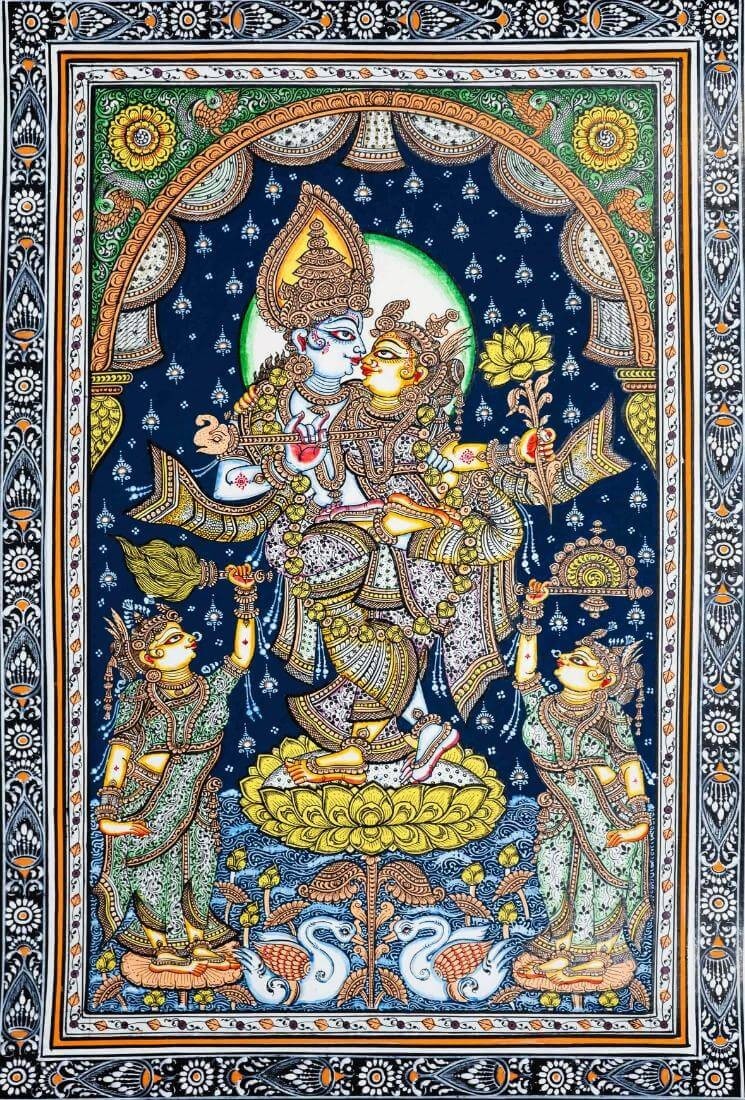
• Odisha Handicrafts & Handloom
spaces like Ekamra Haat, unit-1 market, and museum shops showcase pattachitra paintings, silver filigree work, appliqué crafts, and handwoven sarees.
• Pattachitra Art
This traditional cloth painting style depicts mythological stories using natural colours and fine detailing. Many local artists continue this practice through workshops and exhibitions.
• Stone Carving & Temple Sculpture
the craftsmanship visible in old town temples is still alive. artisan studios and art schools preserve traditional stone-working skills passed down through generations.
• Palm-Leaf Manuscript Art
museums and artisan centres display engraved palm-leaf manuscripts that combine storytelling, art, and history in a uniquely odia form.
Language, food, and everyday culture
• Odia Language & Literature
Odia is widely spoken in daily communication, administration, and literature. hearing it regularly helps newcomers slowly feel included in local conversations.
• Temple Food & Local Cuisine
food reflects culture deeply here. dalma, chuda mixes, pakhala rice, and temple-style preparations are common in homes and eateries, especially around the old town.
• Jagannath Culture & Mahaprasad Tradition
The idea of community sharing through sacred food influences food habits across the city, reinforcing equality and togetherness.
• Local Markets & Haat Culture
markets like unit-1 and ekamra haat are not just for shopping. They are social spaces where food, textiles, crafts, and daily life come together.
Learning the city through heritage and community
• Museum & Cultural Institutions
Places like Odisha State Museum and the tribal museum document archaeology, tribal life, art, and regional history, helping newcomers understand the deeper context of the city.
• Heritage Walk Culture
organized walks through old town and ekamra kshetra explore temples, water tanks, lanes, and neighbourhoods, turning history into lived experience.
• Traditional Architecture of Old Town
narrow lanes, courtyards, and temple-centric planning reflect how community life has evolved around spiritual spaces.
How this cultural fabric connects to where you live
Culture in Bhubaneswar is not something you visit occasionally — it surrounds you daily. Living close to heritage zones, cultural centres, markets, and temples makes it easier to absorb the city naturally, without effort.
This is where OHO Living supports your journey.
OHO Living offers thoughtfully managed living spaces for people who are new to the city and want comfort without confusion. with homes located near important cultural areas, markets, and everyday conveniences, you can step out and participate in the city instead of feeling disconnected from it.
When your living space feels secure, social, and well-connected, Bhubaneswar slowly stops feeling new — and starts feeling like home.