Patna’s culture: how the city lives, eats, speaks, and connects
Lifestyle
7
minute read
CULTURE
Patna’s culture: how the city lives, eats, speaks, and connects
Patna’s culture is layered — shaped by food, language, rivers, education, and a strong sense of family. It’s not loud or performative; it’s lived quietly every day. For anyone settling here, understanding these cultural elements makes the city feel familiar much faster.
Oho Living focuses on helping residents adapt naturally to this rhythm.
1.Bihari cuisine
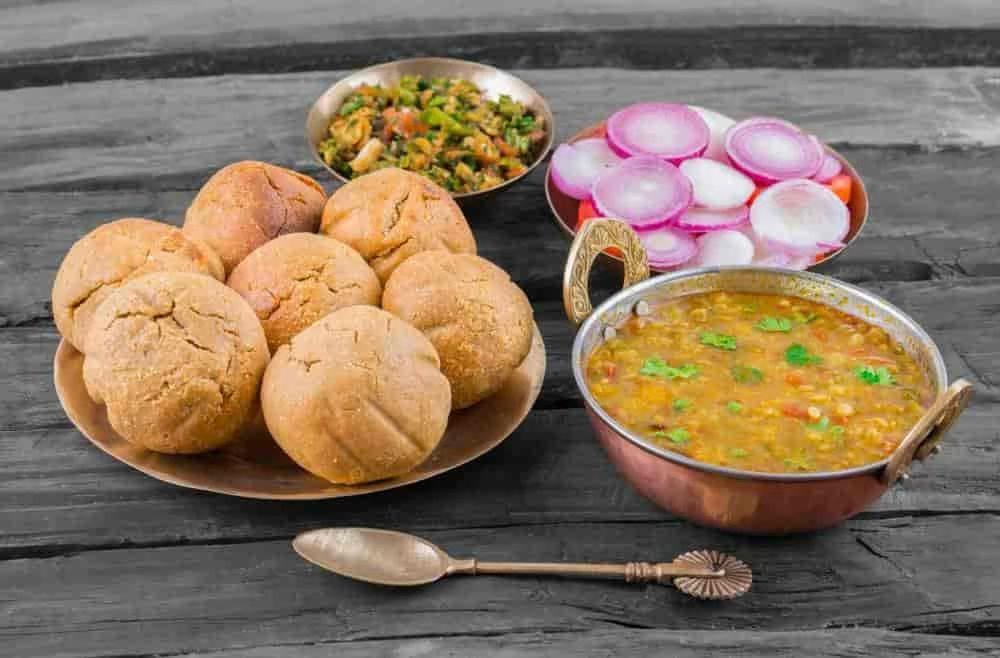
Bihari cuisine is deeply seasonal, practical, and rooted in local ingredients. Everyday meals often include litti-chokha, sattu-based dishes, dal-pitha, ghugni, thekua, and khaja. Food here is filling, simple, and closely tied to climate and agriculture rather than luxury or presentation.
2.Litti–chokha tradition
Litti-chokha is more than a dish; it represents Bihar’s rural roots and self-sufficient food culture. Found at roadside stalls and homes alike, it reflects minimalism, nutrition, and connection to the soil. In Patna, it’s both everyday food and cultural identity.
3.Sattu consumption
Sattu is a staple protein in Patna households. Used in drinks, parathas, fillings, and snacks, it’s valued for nutrition, affordability, and cooling properties. Locals often associate sattu with strength, endurance, and traditional wisdom.
4.Street food culture
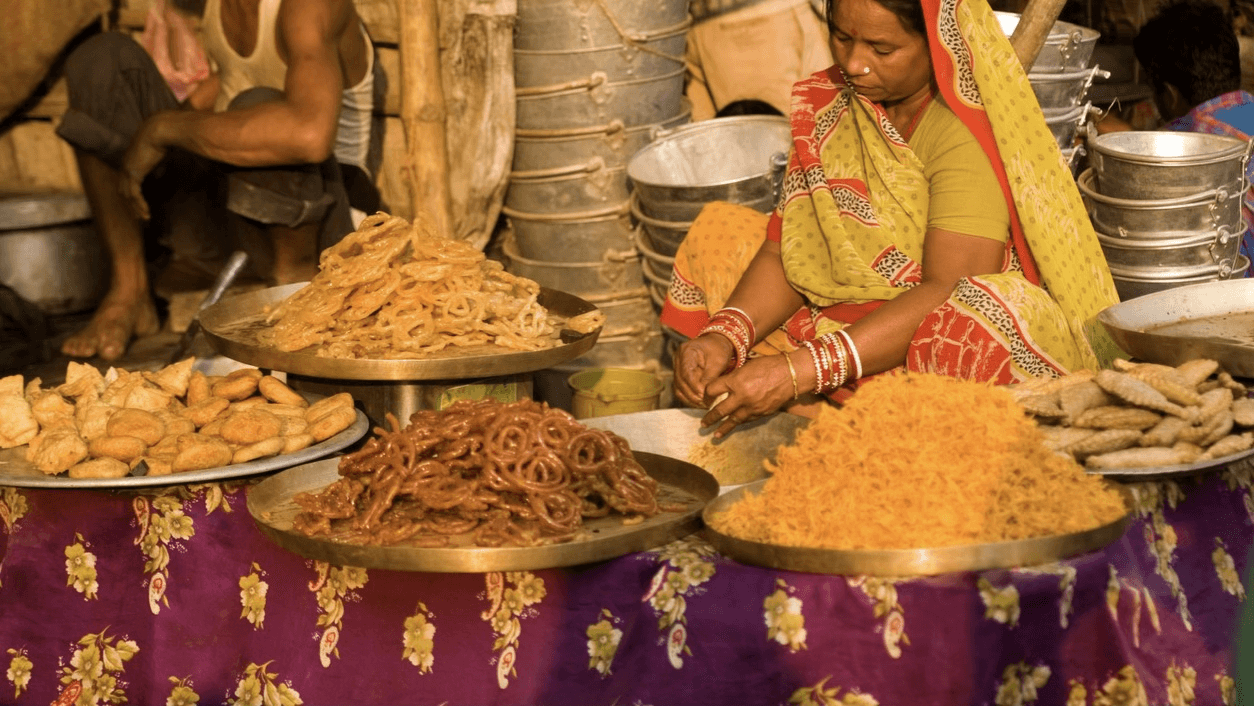
Patna’s street food scene thrives around busy transit and commercial zones. Chaat, samosa, chana-ghugni, jalebi, kulfi, and egg rolls dominate evenings. Street food here is functional — quick meals for students, workers, and commuters — rather than purely recreational.
5.Bihari sweets and snacks
Bihari sweets are tied closely to festivals and rituals. Khaja, anarsa, tilkut, balushahi, and peda are commonly prepared at home or bought from trusted sweet shops. Many recipes are preserved across generations, especially for weddings and religious events.
6.Maithili, bhojpuri, and magahi languages
These regional languages shape Patna’s everyday interactions, music, humor, and storytelling. Even when Hindi is spoken, local expressions and tones carry cultural nuance. Language here is emotional — closely tied to identity and belonging.
7.Folk music and sohar traditions
Folk songs like Sohar, Birha, and seasonal melodies accompany births, marriages, farewells, and migration. These songs often express longing, hope, and family bonds, especially around people leaving home for work or studies.
8.Traditional wedding customs
Weddings in Patna are community-driven events involving extended families and neighbourhoods. Rituals such as tilak, haldi, and bidai are emotionally significant and accompanied by music, food, and collective participation rather than private celebrations.
9.Joint family living
Joint family culture remains strong, especially in older residential areas. Multiple generations often live together, sharing responsibilities, food, and decision-making. This structure shapes daily routines, social expectations, and emotional support systems.
10.Morning life at the ganga ghats
Mornings along the Ganga are calm and ritualistic. People gather for walks, yoga, prayer, and bathing. Ghats serve as spiritual, social, and reflective spaces, marking the start of daily life in the city.
11.Ganga river worship
The Ganga is not just a river in Patna — it is a living presence. Ritual offerings, prayers, and festivals reinforce a deep spiritual relationship. Many families time daily activities and festivals around the river’s rhythms.
12.Handloom and textile trade
Local markets in Patna sell cotton sarees, handloom fabrics, and traditional clothing. The textile trade supports regional craftsmanship and reflects Bihar’s historical role in trade and weaving.
13.Local bazaars and street markets
Markets like Hathwa, Patna Market, and Khaitan Market operate on negotiation, familiarity, and daily necessity. Bargaining is expected, relationships matter, and many shops are family-run across generations.
14.Educational and intellectual culture
Patna has been a center of learning since ancient times. Today, universities, coaching hubs, and libraries dominate the city’s identity. Education shapes conversations, aspirations, and migration patterns.
15.Bookshops and study cafés
Streets near academic zones are filled with bookshops and informal study spaces. Students preparing for competitive exams form a visible cultural group, influencing food habits, rental housing, and daily schedules.
16.Theatre and performing arts
Cultural halls host plays, street theatre, and regional performances. Theatre often addresses social issues, history, and identity, keeping Patna’s artistic voice thoughtful rather than commercial.
17.Poetry, debate, and literary life
Public poetry recitations, debates, and literary discussions are part of the city’s intellectual fabric. Hindi, Urdu, and regional literature coexist, often intersecting with politics and philosophy.
18.Historic architecture and heritage
Patna’s cityscape blends ancient, Mughal, and colonial influences. Old streets, monuments, and religious sites reflect centuries of layered history rather than planned urban design.
19.Migration and outstation culture
Migration for education and work is deeply embedded in Patna’s social fabric. Railway stations, hostels, and shared homes reflect constant movement, separation, and return — themes echoed in music and conversation.
20.Traditional home courtyards (aangan)
Older homes feature central courtyards designed for ventilation, family gatherings, and rituals. These spaces support climate comfort and social interaction.
21.Boat life on the ganga
Boats support livelihoods through fishing, transport, and ritual services. River-based work remains a visible part of Patna’s economy and daily scenery.
Living patna’s culture with oho living.
Understanding Patna’s culture means understanding its pace, people, and priorities. Oho Living spaces are designed to help residents adapt smoothly close to daily life, yet comfortable and organized.