Raipur’s culture: lived quietly, felt deeply
Lifestyle
5
minute read
CULTURE
Raipur’s culture: lived quietly, felt deeply
Raipur's culture does not announce itself loudly. It lives in everyday habits — in the way people speak, eat, gather, pray, and celebrate together. If you spend enough time here, you realise that culture is not limited to festivals or museums. It flows through daily life.
For anyone new to the city, understanding this cultural rhythm makes settling in easier and more meaningful.
Music, dance, and stories that belong to the people
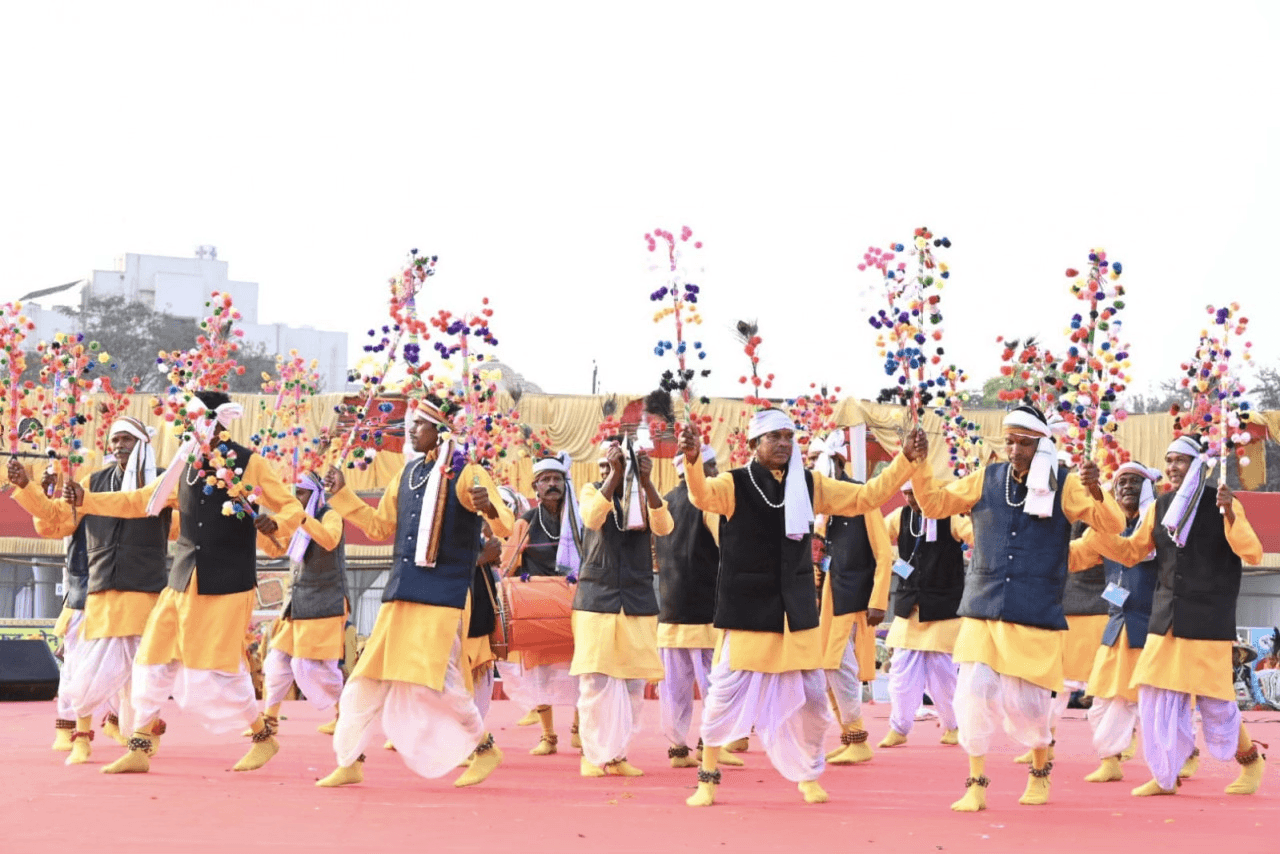
Chhattisgarhi folk music and dance are deeply community-driven. forms like panthī, raut nacha, and karma dance are performed during social gatherings, village events, and celebrations. They are not stage performances alone — they are shared expressions of joy and belief.
pandwani, the traditional storytelling form based on the mahabharata, blends narration, music, and emotion. performed in open spaces and cultural programs, it connects generations through oral tradition.
The panthi dance tradition, closely linked to the satnami community and the teachings of guru ghasidas, reflects themes of equality, devotion, and spiritual discipline.
Language, food, and everyday identity
Culture in Raipur is spoken daily through the chhattisgarhi language, often mixed naturally with hindi. conversations feel warm, informal, and rooted.
food plays an equally important role. Chila, fara, bafauri, aamat, and bore baasi are not “special dishes” here — they are everyday comfort foods found in homes and local eateries. They reflect a lifestyle that values simplicity, nutrition, and sharing.
Crafts, clothing, and handmade traditions
Handloom and kosa silk textiles from nearby villages are a proud part of the region’s identity. These fabrics are worn not just on special occasions, but also as daily attire.
Tribal jewellery and metal crafts — especially silver ornaments and bell-metal items — appear in both ritual use and everyday life. Many of these can be found in local bazaars and museum shops.
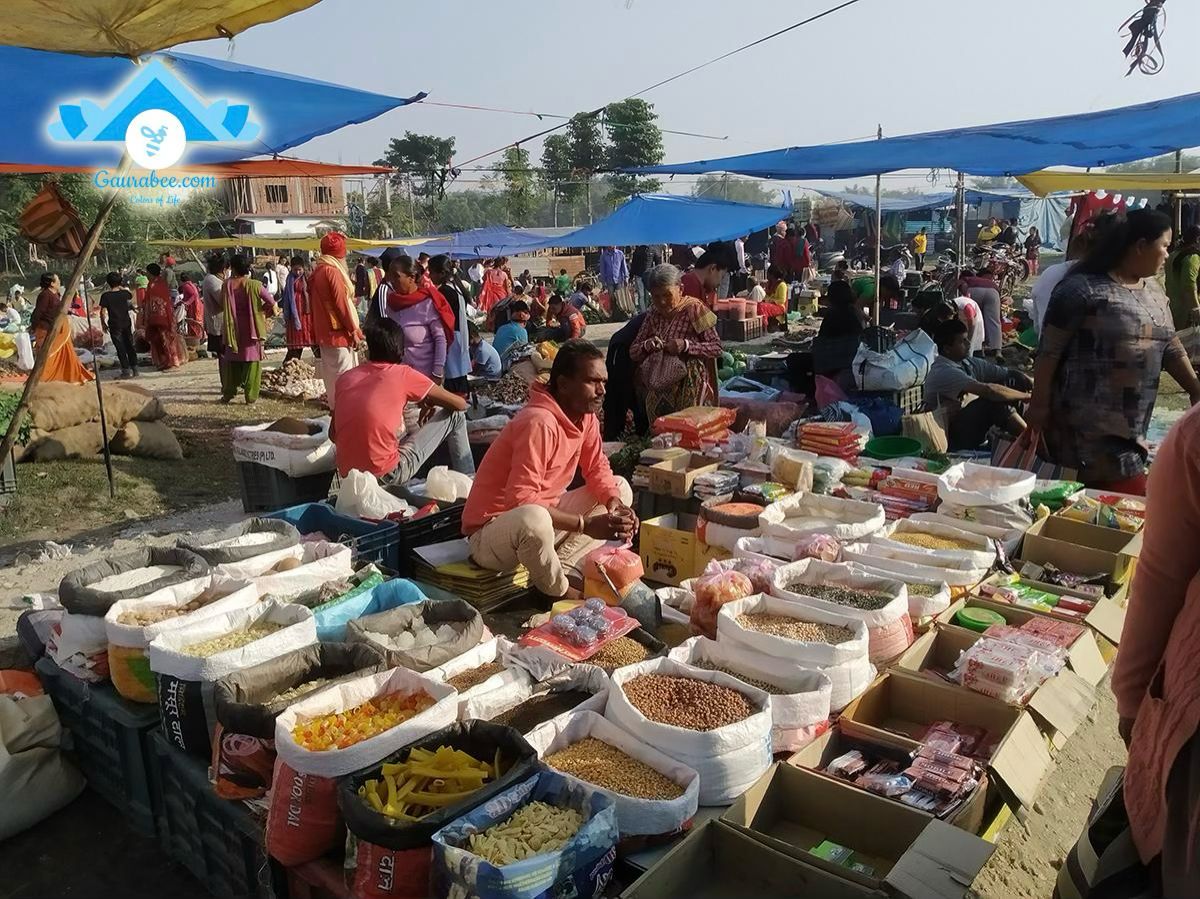
weekly haat bazaars in areas like budhapara, gudhiyari, and pandri feel like cultural windows. Forest produce, handmade goods, and local foods are traded here in a setting that feels refreshingly rooted.
Faith, rituals, and shared spaces
Daily temple rituals and aartis form a quiet spiritual backbone of the city. places like Mahadev Ghat and Dudhadhari Math are not just religious landmarks, but regular stops in people’s lives.
village fairs and local melās around Raipur continue outside major festivals, offering spaces for social interaction, cattle trading, food stalls, and crafts.
On the cultural side, institutions like Ravindra Manch and other local academies host music, theatre, dance, and literary events throughout the year, keeping art accessible and alive.
Why does culture matter when you are new to Raipur?
Culture is often the bridge between feeling like a visitor and feeling like you belong. understanding local food habits, language tones, market rhythms, and spiritual spaces helps you connect without effort.
This connection becomes easier when you live close to everyday cultural life — markets, temples, performance venues, and community spaces. This is where OHO Living fits in naturally.
OHO Living offers thoughtfully located living spaces that keep you close to raipur’s real rhythm, not just its map locations. when culture is around you — not far from you — settling into the city feels organic.